November 15, 2025
Why Most Las Vegas Locals Can't Afford to Buy Right Now — And What's Actually Keeping Prices Up
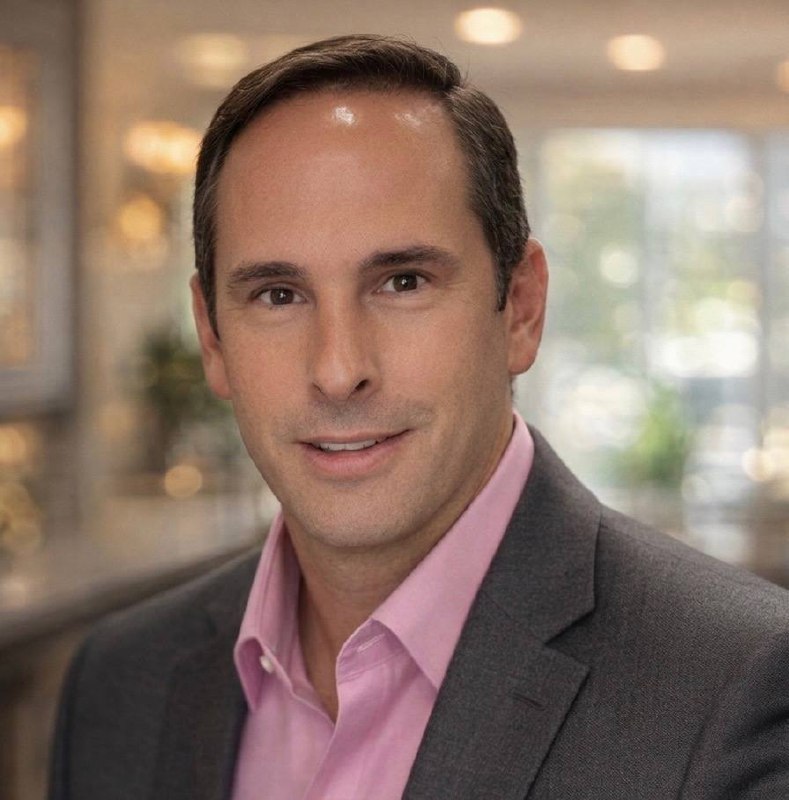 J
JJerry Abbott
Las Vegas Real Estate · 20+ Years · 702-550-9658
The Number That Should Stop Every Las Vegas Buyer in Their Tracks
I've been selling homes in Las Vegas for over 20 years. I've worked through the dot-com bust, the 2008 collapse — which hit this city harder than almost anywhere in the country — and the pandemic boom that followed. I say that not to impress you, but because context matters when I tell you this: what's happened to housing affordability in the last five years is unlike anything I've seen in my career.
Here's the number that puts it in perspective. In 2020, a household earning around $68,000 a year could reasonably afford the median-priced American home. By 2025, that threshold has jumped to approximately $130,000 annually — nearly double, in just five years. For reference, it took the previous three decades to go from $40,000 to $68,000. That's how fast things moved.
Now bring it home to Las Vegas specifically. The median home price here is currently sitting around $474,000, easing slightly from the 2022 peak of $485,000 but still nowhere near accessible for most locals. To buy comfortably at that price point — meaning your housing costs stay within 28–30% of gross income — you'd need a household income somewhere between $110,000 and $125,000. The median household income in Las Vegas? Roughly $71,000, according to U.S. Census data. That's not a gap. That's a canyon.
I'll be straight with you: most agents in this city won't say this out loud. The average person who lives and works in Las Vegas — your teachers, hospitality workers, healthcare staff, tradespeople — cannot afford to buy a home here right now. That's not pessimism. That's just math.
So Why Aren't Prices Falling?
This is the question I get asked almost every week, and it's the right one to ask.
The short answer: the people buying homes in Las Vegas right now are largely not the people who live and work here.
I've watched this firsthand in neighborhoods like Summerlin, Henderson, and the communities out near Red Rock Canyon. The buyers closing deals are disproportionately out-of-state transplants — many cashing out equity from California and the Pacific Northwest — along with high-income remote workers who chose Vegas for the tax advantages and lifestyle, and investors or business owners who aren't rate-sensitive the way a first-time local buyer would be. I had a client last year, a software engineer relocating from the Bay Area, who paid cash for a home in Summerlin West. His frame of reference for pricing was San Jose. To him, $550,000 felt like a discount.
That outside capital is what's propping up prices. As long as that migration pattern continues — and so far, the data from the Southern Nevada MLS suggests it hasn't meaningfully slowed — a dramatic price collapse is unlikely, even with broader economic uncertainty at the national level.
That said, the market is shifting. We currently have around 7,500 active listings with no offers, and inventory has climbed to approximately 4.2 months of supply — still below the 6-month threshold NAR typically uses to define a balanced market, but trending that direction. Sellers who pushed fantasy-land list prices are sitting longer and coming down. I've been tracking this pattern across the $400K–$800K range in particular, and buyers who are patient and pre-approved are starting to find real negotiating room for the first time in years.
What Recent Sales Data Is Actually Telling Us
I pulled some recent closed comps from the MLS to give you a concrete example of what this correction looks like on the ground. One that stuck with me: a five-bedroom, six-bath home just under 5,800 square feet. It sold in September 2022 for $1,648,000. Two years later, the sellers came back to market at $2,290,000 — a $640,000 markup with no meaningful improvements to the property. It sat. That kind of disconnect between seller expectations and buyer reality is playing out across the luxury and move-up segments right now.
I've covered more of these case studies on my YouTube channel if you want to see the actual numbers walked through in detail — it's a good way to calibrate your expectations before you start shopping.
The takeaway isn't that the market is broken. It's that it's correcting, and corrections create opportunities — if you know where to look and have someone who can tell you the difference between a motivated seller and a stale listing.
Honest Advice If You're Thinking About Buying in Las Vegas
Here's what I tell every relocation client, whether they're moving in 60 days or planning for next year: don't wait for a crash that may never come, but don't let urgency push you into overpaying either. Both mistakes are costly.
Summerlin and Henderson continue to hold value well — the infrastructure, school ratings, and amenity base make them resilient even in softer markets. Inventory is building across the valley, negotiating power is slowly returning to buyers, and sellers in certain price bands are finally getting realistic. That combination doesn't last forever.
You just need someone who knows this market well enough to tell you the truth — including when a deal isn't actually a deal.
---
About the Author: Jerry Abbott is a licensed Nevada real estate professional (NV License #S.0187630) with over 20 years of experience in the Las Vegas market. He specializes in relocation buyers, move-up sellers, and helping clients navigate the valley's most competitive neighborhoods. Have questions about buying or selling in Las Vegas? Call or text Jerry directly at 702-550-9658, or browse current listings at viewlasvegashomes.vercel.app. Straight answers, no pressure.
Watch the Original Video
Las Vegas Homes For Sale - Doomed!
Questions about the Las Vegas market?
Talk to Jerry — 20 years of experience, straight answers, no pressure.
Get Jerry's Take on Your Situation702-550-9658 · Free consultation