February 21, 2026
The Las Vegas Housing Market Isn't Crashing — It's Doing Something Worse
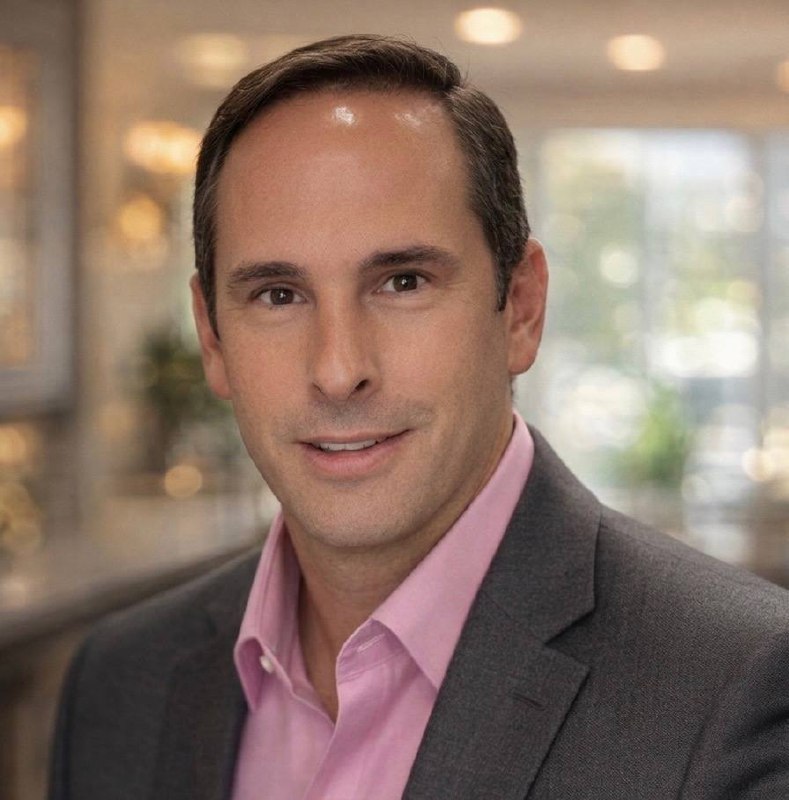 J
JJerry Abbott
Las Vegas Real Estate · 20+ Years · 702-550-9658
Every week I see another headline declaring the housing market is finally falling apart. Home sales dropped sharply in January. Foreclosures are spiking. Credit card debt just hit a record $1.28 trillion. On paper, it looks like the whole thing is ready to crack.
Here's what's really happening: the market isn't crashing. It's splitting in two — and if you're an average buyer waiting for prices to collapse so you can finally afford something, I need to give you some uncomfortable news.
The National Headlines Are Misleading You
Let me be honest with you about how the media covers real estate. They take national data, average it all together, and hand you a narrative. That's how you end up reading stories about a "weakening market" while Las Vegas homes are still closing at prices that would have seemed insane five years ago.
Yes, about 19% of home contracts in Las Vegas were canceled recently. Yes, some sellers are cutting prices. But here's the part they leave out: those sellers are still walking away with massive profits. I pulled three recent closed sales on Zillow to show my audience exactly what's going on, and the numbers tell the real story.
One luxury home near the upper end of the market — 6,100 square feet, four bedrooms, six baths — sold for $2.3 million. The seller bought it in 2019 for $1.3 million. They listed at $2.4 million, dropped it $100,000, and still cleared nearly double what they paid. That's not a crashing market. That's a seller who got slightly less than they wanted but still made an extraordinary return.
Drop down below the luxury tier — which in Las Vegas starts around a million dollars — and you see the same pattern. A 2,800 square foot home in the $800K range closed at $815,000 after being purchased for $600,000 in 2019. Price reductions are happening, sure. But they're reductions from historically inflated asking prices, not evidence of collapse.
Who's Actually Buying Las Vegas Homes Right Now
After 20 years I've seen this before — not exactly this, but the dynamic of one group of buyers dominating a market while everyone else gets squeezed to the sidelines. What's different now is the scale of it.
The buyers who are actively closing deals in Las Vegas today are largely in the top 10% of income earners nationally. And a significant chunk of them are coming from California. This isn't speculation — the migration data backs it up consistently. California's tax burden, cost of living, and home prices have made Las Vegas look like a bargain even at $500,000 to $800,000, which is the heart of our market right now in areas like Summerlin, Henderson, and the communities near Red Rock.
A buyer from the Bay Area or Los Angeles who sold a modest home for $1.2 million can come to Las Vegas, buy something genuinely beautiful in a great neighborhood, and pocket the difference. For them, our market isn't expensive. For a local buyer earning a Nevada wage trying to break into homeownership? It's brutal.
That gap is getting wider, not narrower. And if you're sitting on the sidelines waiting for a crash to make buying affordable again, you need to understand who you're actually competing against.
Why a True Las Vegas Market Crash Is Unlikely
I'm not here to pump sunshine at you. If I thought prices were going to crater, I'd tell you. But here's what would actually need to happen for Las Vegas real estate to collapse, and why I don't see it:
First, the inventory would need to flood the market. We've had persistently low inventory for years, and while it's ticked up, we're nowhere near the levels that preceded 2008. Second, the distressed seller situation would need to be severe. Yes, foreclosures are rising nationally, but the homeowners who bought pre-pandemic or even in the early pandemic years still have enormous equity cushions — like the sellers I showed you above. They can reduce prices and still come out ahead. They're not desperate.
Third, and maybe most importantly, demand from higher-income buyers and out-of-state migrants continues to absorb available inventory. Until California stops being expensive, Las Vegas stays on the target list for wealthy relocators.
Could we see further price softening? Yes. Could we see more contract cancellations and longer days on market? Absolutely. But a crash? After 20 years of watching this city grow, I'm not seeing the conditions for it.
What You Should Actually Do Right Now
If you're a buyer, stop waiting for a collapse that may never come and start getting strategic. Know your real budget, know which neighborhoods in Las Vegas fit your lifestyle and price range, and work with someone who will tell you the truth about what a property is actually worth — not just what the seller hopes to get for it.
If you're thinking about relocating to Las Vegas from California or anywhere else, the window where you can get a good deal with some negotiating leverage is open right now. Sellers are more willing to negotiate than they were two years ago. That's real. But it won't last indefinitely.
I've lived and worked in this city for 20 years. I know Summerlin, Henderson, Green Valley, the area around Red Rock — all of it. I'm not going to waste your time or tell you what you want to hear just to get a commission.
Ready to get a straight answer about buying or selling in Las Vegas? Give me a call or text at 702-550-9658, or browse current Las Vegas listings at viewlasvegashomes.vercel.app. Let's figure out what makes sense for your situation — no pressure, no corporate sales pitch, just real talk from someone who knows this market.
Watch the Original Video
Las Vegas Homes For Sale - Final Warning!
Questions about the Las Vegas market?
Talk to Jerry — 20 years of experience, straight answers, no pressure.
Get Jerry's Take on Your Situation702-550-9658 · Free consultation