June 29, 2024
Las Vegas Housing Affordability in 2024: A 20-Year Agent's Honest Assessment
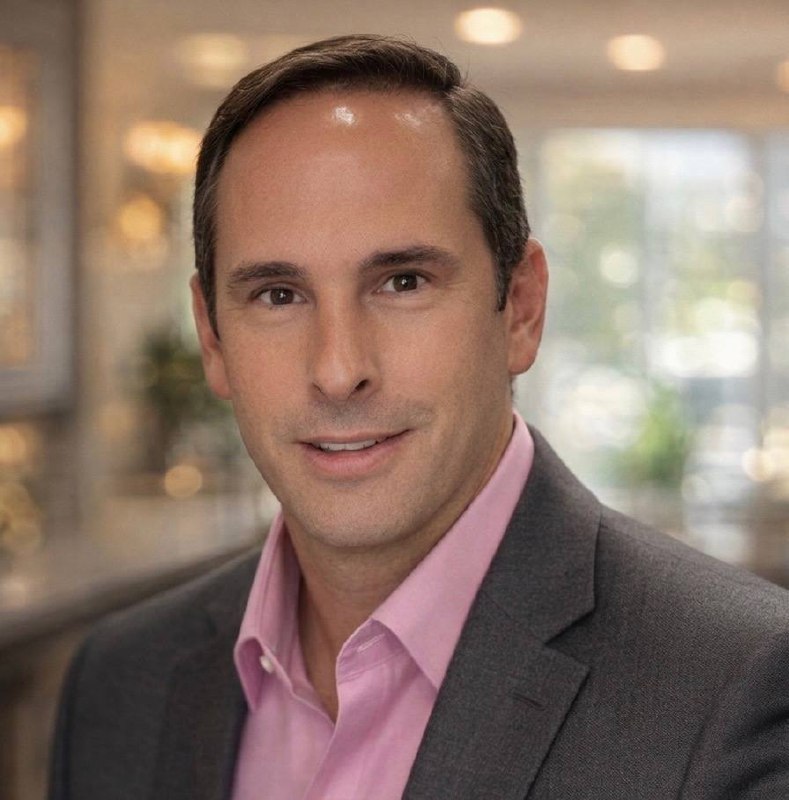 J
JJerry Abbott
Las Vegas Real Estate · 20+ Years · 702-550-9658
Let me be straight with you: the Las Vegas housing market right now is one of the most difficult affordability environments I've seen in nearly 20 years of selling real estate in this city.
I've watched every cycle this market has thrown at buyers — the pre-2008 frenzy, the crash that followed, the long recovery, and the pandemic-era bidding wars. But what's happening with affordability right now is structurally different from all of those. And because most agents need you to close escrow, you're not hearing this clearly enough.
I'd rather give you the honest picture so you can make the right call for your family.
The Affordability Math Has Quietly Broken Down
To understand how bad it is, you need the historical context. In 1995, the average U.S. home sold for around $130,000. At 7.8% interest with 20% down, your monthly principal and interest was roughly $753 — about 31% of the average $29,000 household income. Tight, but manageable.
By 2019, things had actually improved. Prices had doubled to around $260,000, but rates had dropped to 4% and incomes had risen to roughly $56,000. Monthly payments landed near $993 — only about 21% of gross income. That's a healthy ratio.
Now look at where we are. The average U.S. home price sits around $419,000. Rates have climbed back above 7%. Monthly principal and interest comes out to roughly $2,283. And median household income? Still hovering around $56,000 — nearly unchanged from 2019. That means housing now consumes close to 49% of gross income for the average American household.
Nearly half your paycheck. Before taxes. Before the grocery run. That's not a market cycle. That's a structural affordability problem.
What the Las Vegas Numbers Actually Look Like
Here in the Las Vegas valley, the median price for an existing single-family home recently landed around $473,000 — up roughly 7% year-over-year according to local MLS data. We're not at our 2022 peak, but we're close.
What that median means practically: if you're targeting Summerlin, Henderson, or anywhere along the Red Rock corridor — neighborhoods where most relocating families want to be — you're realistically shopping $500,000 to $700,000 for a solid home. At current rates, that's a monthly payment of $2,800 to $4,200 before taxes and insurance.
I've noticed this year that buyers coming in from California are often surprised we're this high. And buyers stretching local incomes are quietly getting priced out of the neighborhoods they actually want. I see both situations in my office regularly.
Beyond the mortgage, a Bankrate analysis found that the average annual cost of owning and maintaining a single-family home in the U.S. now exceeds $18,000 — covering property taxes, insurance, HOA fees, maintenance, and repairs. Nevada comes in around $16,600 per year, which is meaningfully lower than California ($29,000), Washington ($23,000), or Colorado ($22,000). That's a real advantage for this market that doesn't get talked about enough.
But $16,600 annually still adds roughly $1,400 a month on top of your mortgage. Stack that onto a $3,000 payment and you're looking at $4,400 a month to own a median-priced home here. Against a $56,000 income, the math explains exactly why so many buyers feel stuck right now.
So Should You Still Buy in Las Vegas?
Here's where I'll push back on pure doom-and-gloom: yes — but only with a clear-eyed strategy.
Las Vegas still holds genuine advantages most major metros have surrendered. No state income tax. Lower carrying costs than coastal markets. And we still have inventory moving across multiple price points in ways that California and Seattle simply don't.
The buyers I'm seeing succeed right now generally fall into one of two profiles. First: people relocating from high-cost states who are bringing equity from a sale. Their down payment position changes the math dramatically, and Las Vegas becomes genuinely compelling. Second: local buyers who are willing to look at zip codes and neighborhoods slightly off the radar — areas like North Henderson, parts of the southwest valley, or emerging pockets near the 215 that don't carry the Summerlin premium but offer solid value.
Who needs to slow down and think carefully? First-time buyers stretching a single income under $65,000 a year. I'm not saying don't buy — I'm saying we need to have a very honest conversation about timing, realistic neighborhoods, and whether buying in the next six months actually serves your long-term financial health. That's the conversation I have with clients every week, and I'd rather have it upfront than watch someone overextend.
If you want to see how I break this down neighborhood by neighborhood, I cover Las Vegas market updates regularly on my YouTube channel — real numbers, no hype.
---
Thinking about buying in Las Vegas — whether that's next month or a year from now? Reach out directly. I'll walk you through what's actually available in your price range, what your true monthly cost of ownership looks like, and whether the timing makes sense for your situation.
📞 Call or text Jerry Abbott: 702-550-9658
🏠 Browse Las Vegas listings: viewlasvegashomes.vercel.app
---
About Jerry Abbott: Jerry Abbott is a Las Vegas-based real estate agent with nearly 20 years of experience in the local market. He has guided buyers and sellers through every major market cycle the Las Vegas valley has seen — from the pre-2008 boom to the pandemic frenzy — and is known for giving clients an unfiltered view of what the numbers actually mean for their situation.
Watch the Original Video
Las Vegas Homes For Sale - It's Over!
Questions about the Las Vegas market?
Talk to Jerry — 20 years of experience, straight answers, no pressure.
Get Jerry's Take on Your Situation702-550-9658 · Free consultation