July 15, 2023
The Las Vegas Housing Market Is Flashing Warning Signs Most Agents Won't Tell You About
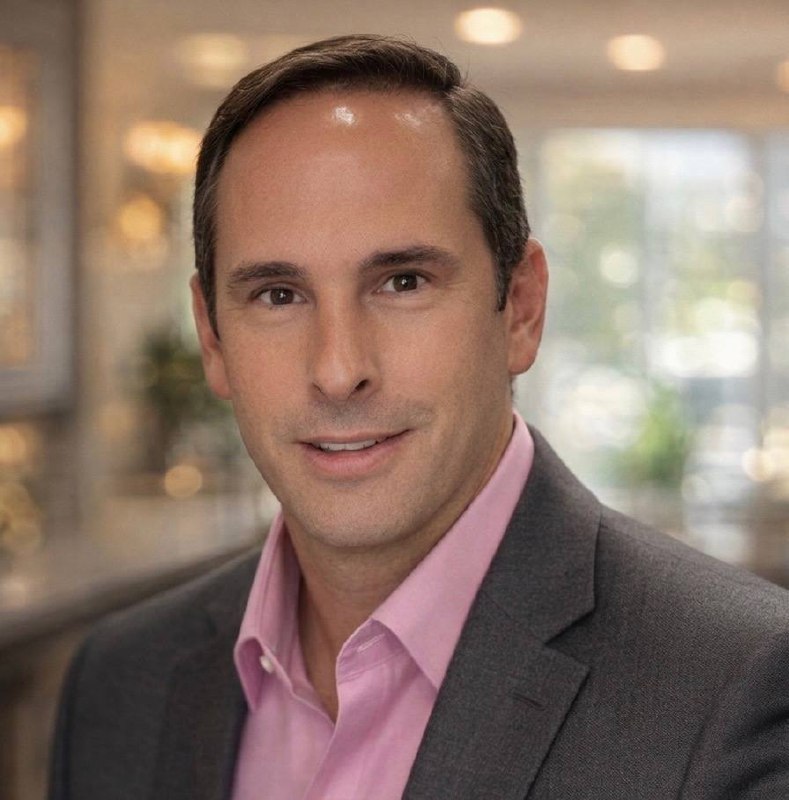 J
JJerry Abbott
Las Vegas Real Estate · 20+ Years · 702-550-9658
Let me be straight with you from the start: after more than 20 years selling homes in Las Vegas, I've learned to trust the data over the hype. And right now, the data is making me uncomfortable in ways that I feel obligated to share — even if it's not what you want to hear before writing a six-figure check.
Inventory across the Las Vegas valley is tight. We're sitting at fewer than 3,500 active listings spanning Summerlin, Henderson, Red Rock, and everything in between. The median sale price has climbed from roughly $420,000 at the start of 2023 to around $442,000 at mid-year. On the surface, other agents will point to those numbers and tell you to jump in fast before it gets worse. I've heard that pitch a hundred times over the years. Sometimes it's right. Right now, I don't think it is.
The Interest Rate Reality Nobody Wants to Say Out Loud
Mortgage rates recently hit 7.22% following a stronger-than-expected jobs report, and the Fed isn't finished. CME FedWatch data at the time of writing showed a 93% probability of another quarter-point hike at the next FOMC meeting, with strong odds of a follow-on hike in September. We could realistically be staring down mid-eight-percent mortgage rates before the year is out.
I've seen what that does to buyer demand firsthand. It doesn't slow people down — it stops them cold. Not because they don't want a home near Red Rock Canyon or a place in a Summerlin master plan. They do. But they can't qualify anymore. When I run the numbers for clients today versus two years ago, that $442,000 median-priced home now comes with a monthly payment that's $600 to $800 higher than it would have been in 2021. At some point, the math just stops working for most households, and when buyer demand dries up, sellers panic, inventory floods back, and prices follow gravity.
The Recession Signal Almost Nobody in Real Estate Is Talking About
Here's something I've been tracking closely that I cover in more depth on my YouTube channel: the inverted yield curve recently hit its most severe inversion since 1981 — over 40 years ago. For those who don't follow economic indicators, an inverted yield curve is historically one of the most reliable leading signals of a recession we have. Going back to the late 1970s, a significant inversion has typically preceded a recession by roughly 15 months. We are already deep into that timeline.
I want to be clear: I'm not predicting doom. I'm reading the same data anyone can access through the Federal Reserve and Bureau of Economic Analysis. But housing is one of the most interest-rate-sensitive sectors in the entire economy. If a recession materializes, Las Vegas will feel it — we always do. I've worked through the 2008 collapse and the post-COVID correction, and I've watched how quickly sentiment can reverse in this market.
Why Low Inventory Isn't the Green Light Agents Are Selling You
Low inventory gets used as a reason to panic-buy in almost every market cycle. What I've noticed is that it's a lagging signal, not a leading one.
Consider what happened just last year. Spring and summer 2022 looked almost identical to today — tight supply, rising prices, urgency from every direction. Then the second half of 2022 arrived and the market corrected sharply. The median price dropped roughly 7.5% from its $480,000 peak. On a $500,000 home in Henderson, that's $37,500 in lost equity for buyers who rushed in at the top.
Right now, I'm watching price trajectory, seasonality, and rate pressure trace nearly the same pattern as that period — except rates are higher now than they were at the equivalent point last year. When demand falls off, that scarce inventory reappears quickly. I've seen it happen twice in this market in the past 15 years.
I want to be balanced here, because I think fairness matters more than sounding smart: Las Vegas has real long-term demand drivers. Population growth, job diversification, and the ongoing appeal of lower state taxes keep this market from falling apart. I'm not bearish on Las Vegas. I'm cautious about this specific moment for buyers who are stretching their budget to compete.
What the Buyers I Respect Are Doing Right Now
The clients I'm working with who are making moves I feel good about aren't panicking in either direction. They're getting fully pre-approved so they can act decisively when conditions shift. They're targeting neighborhoods in Henderson and select Summerlin corridors where there's more room for long-term value. And they're running the scenario where rates push higher and prices soften 8 to 10 percent by year-end — because if that plays out, the buyers who waited may end up with both a lower purchase price and the ability to refinance into a lower rate later. That's a fundamentally different financial outcome than being upside-down on a home you overpaid for in a market driven by fear of missing out.
This city isn't going anywhere, and neither am I. But you deserve honest context before you make one of the biggest financial decisions of your life.
---
Ready for a straight conversation about where things actually stand? Call or text me directly at 702-550-9658, or explore current listings and market data at viewlasvegashomes.vercel.app.
About the Author: Jerry Abbott is a licensed Las Vegas real estate professional with more than 20 years of experience in the Southern Nevada market. He specializes in buyer and seller representation across Summerlin, Henderson, and the greater Las Vegas valley, and shares regular market analysis on his YouTube channel. His approach is grounded in data, local expertise, and honest advice — even when the honest answer isn't the easy one.
Watch the Original Video
Las Vegas Homes For Sale - Insanity!
Questions about the Las Vegas market?
Talk to Jerry — 20 years of experience, straight answers, no pressure.
Get Jerry's Take on Your Situation702-550-9658 · Free consultation